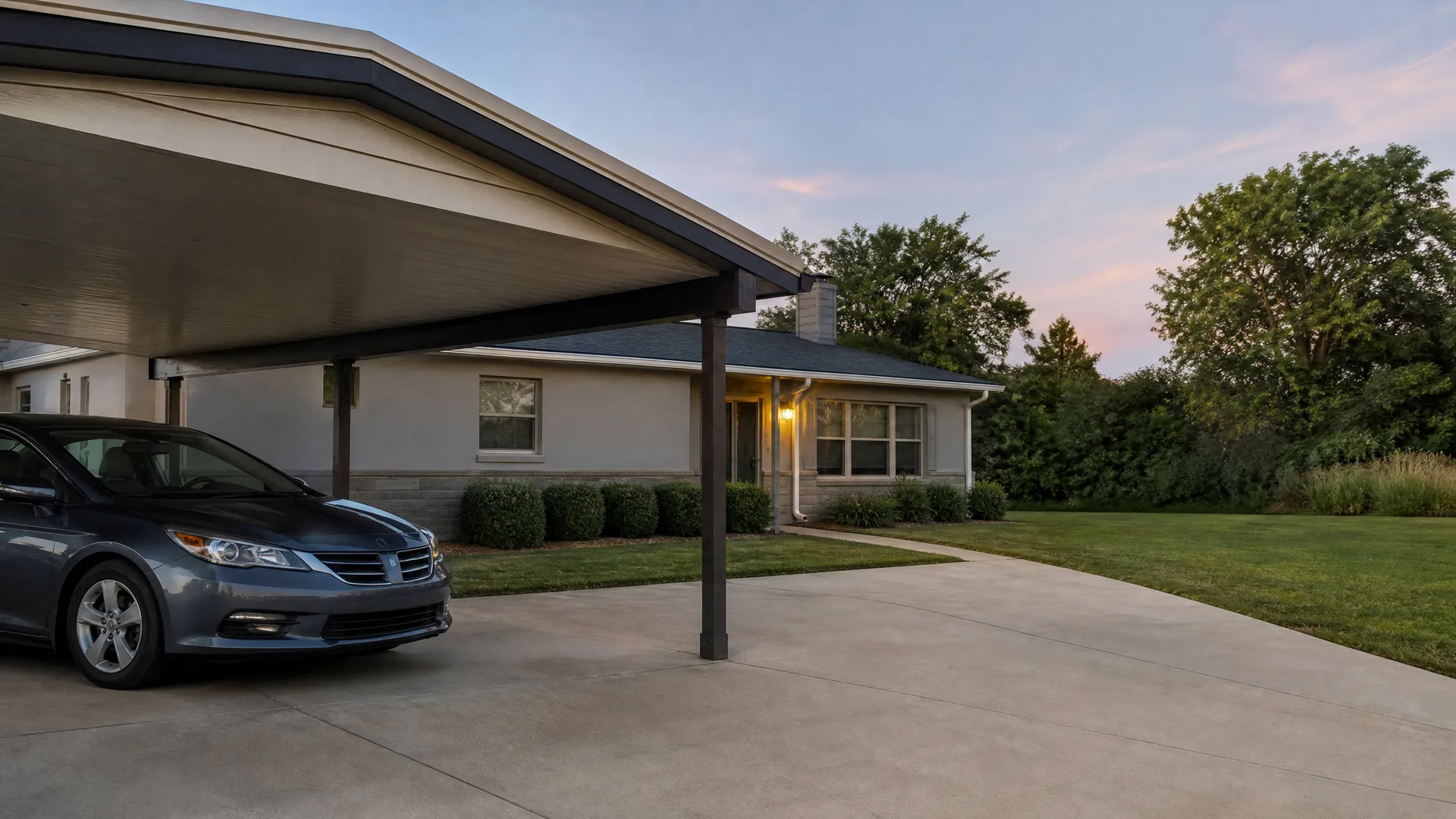
Classic Car Insurance for Seniors
A classic car is already rated differently than your daily driver, and your age can work for you or against you depending on how the policy is written.
What changes once you're older
Insurers still look mainly at how you drive and how the car is used, not your birthday by itself. What does shift is how they ask about it. Some will want a vision check or proof you still hold a valid license. Others ask nothing extra at all.
For a classic car, the bigger question is usually mileage and storage, not age. If you drive it rarely and keep it garaged, say so, because that's what a classic policy is built around.
What sets your rate
How the car is used matters more here than almost anything else. A classic that comes out for shows and weekend drives costs less to insure than one used for errands, because the insurer is pricing the time it spends off the road.
Agreed value versus actual cash value changes what you're paid out if the car is written off. Agreed value protects what the car is actually worth to you, and it's worth asking for by name.
Where you keep the car and how far you drive it each year both feed into the quote. Garaging it and keeping mileage low are things you control, and both are worth stating plainly when you ask for a quote.
Where drivers overpay
The most common overpayment is being rated as if the classic is a everyday car, with everyday mileage assumed, when it's actually driven a handful of times a year. That gap can sit on a policy for years without anyone noticing.
At renewal, check that the mileage estimate and the storage details still match how the car is actually used. If they don't, ask your insurer to correct them.
See how insurers price a classic car differently once the driver is older.
Articles
 Using and Storing a Classic Car
 Can I Drive My Classic Car to Get Groceries
 Should I Keep Insuring a Classic Car I Rarely Drive